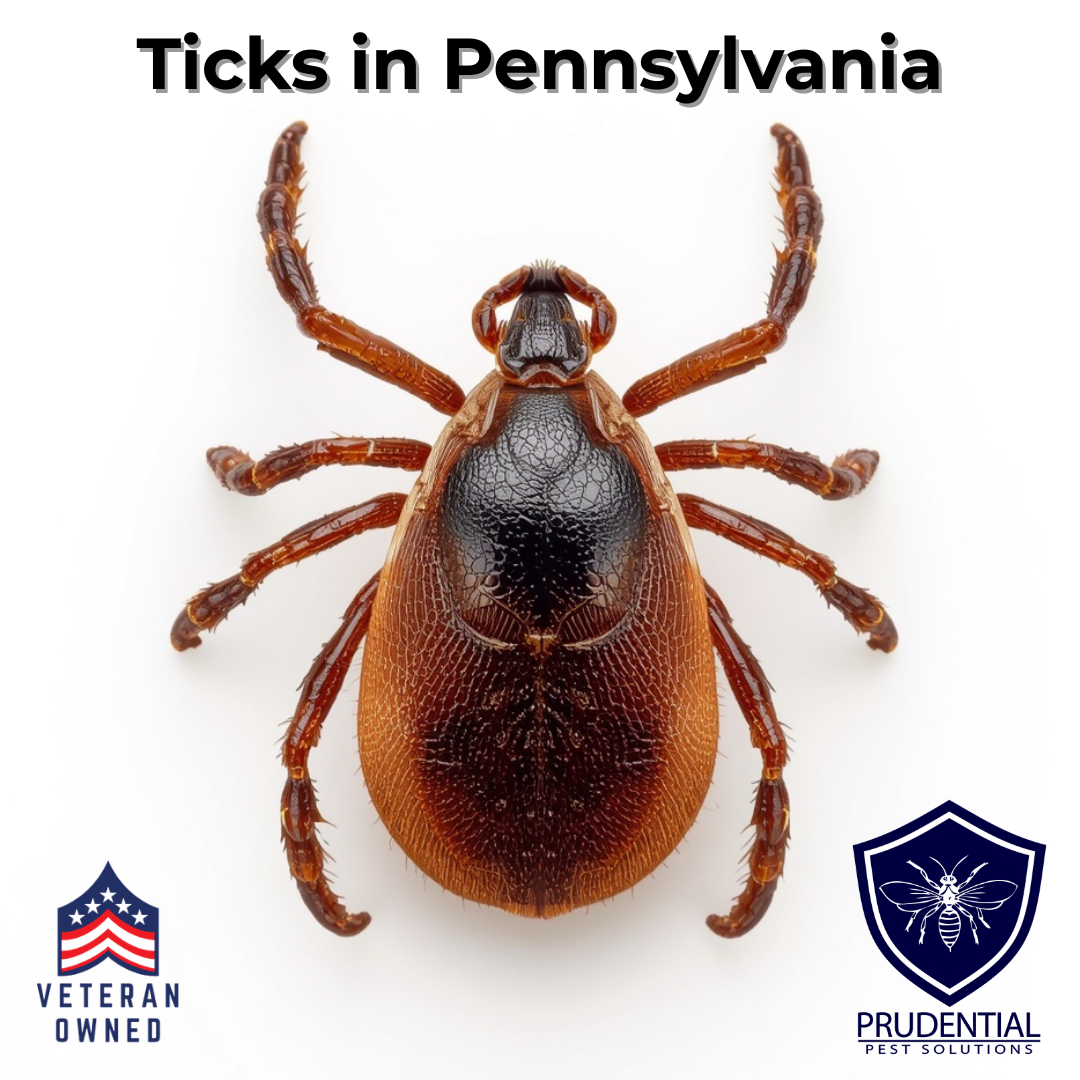
The Hidden Dangers of Ticks in Pennsylvania
Ticks in Pennsylvania are more than just a nuisance, they’re a silent threat lurking in your backyard, local parks, and even urban green spaces. As spring and summer approach, these tiny parasites become increasingly active, posing serious health risks to families, pets, and outdoor enthusiasts.
While many people associate ticks with rural areas, the hidden dangers of ticks in Pennsylvania extend to suburban and city environments too.
In this article, we’ll uncover the lesser-known perils of tick infestations, explore common tick-borne diseases in Pennsylvania, and provide practical tips for protection. If you’re concerned about ticks on your property, understanding these risks is the first step toward safeguarding your loved ones.
Understanding the Tick Lifecycle and Habitats in Pennsylvania
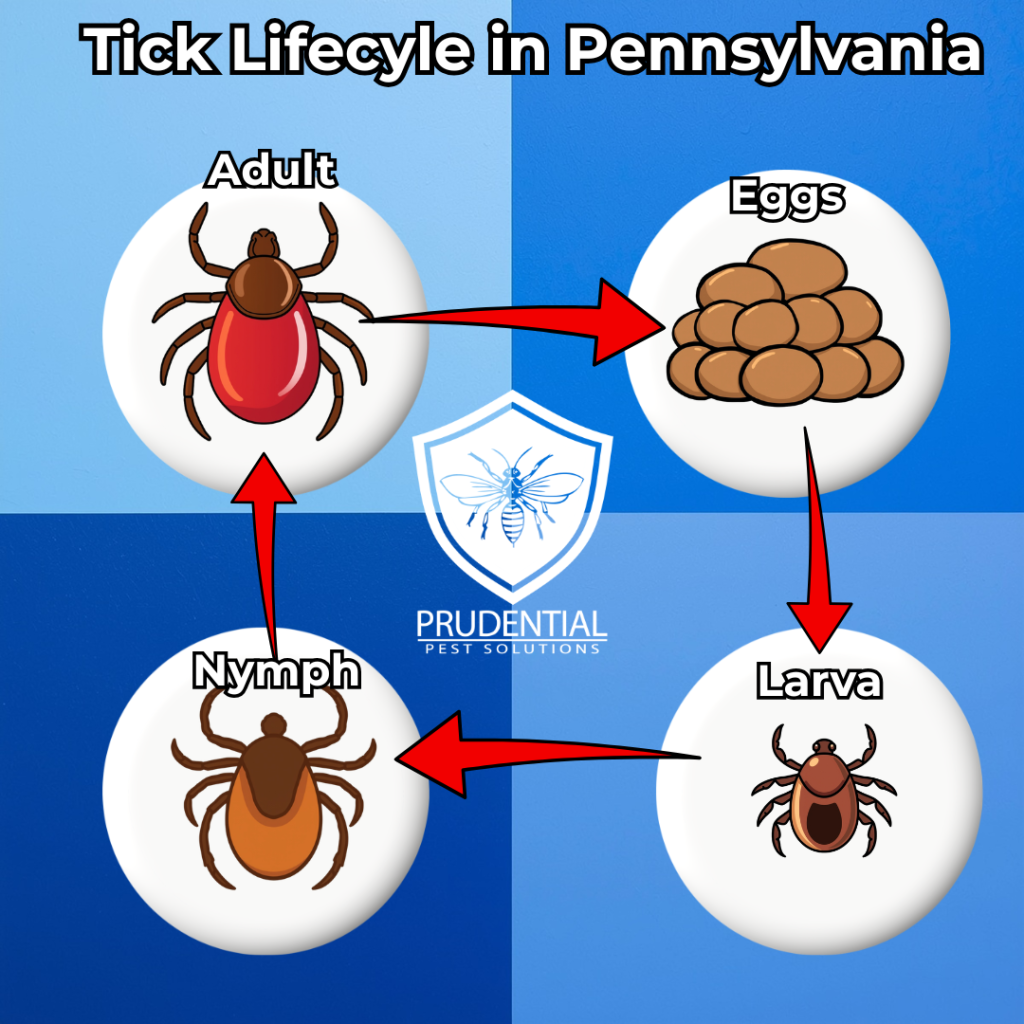
Ticks in Pennsylvania follow a 2-year, 4 stage life cycle:
- Egg (Spring)
- Larvae (Summer)
- Nymph (Spring/Summer the following year)
- Adult (Fall/Winter)
Each cycle requires blood meal to complete and advance to the next stage. This means that the tick has to feed on a host before it can mature.
Pennsylvania Tick Habitats
Ticks in Pennsylvania thrive in the state’s diverse landscapes, from dense forests to grassy fields, and even your backyard. What makes them particularly dangerous is their ability to hide in plain sight. Black-legged ticks (also known as deer ticks), American dog ticks, and lone star ticks are the most prevalent species here, each with unique behaviors that amplify their threat.

These arachnids don’t jump or fly; instead, they “quest” by perching on grass, leaves, or shrubs, waiting for a host to brush by. Pennsylvania’s humid climate and abundant wildlife, including deer and rodents, create ideal breeding grounds.
Hidden dangers arise because ticks can survive winters by burrowing into leaf litter or soil, emerging stronger in warmer months. Homeowners often overlook overgrown lawns, woodpiles, or bird feeders as prime tick habitats, allowing populations to explode unnoticed.
The Silent Health Threats: Tick-Borne Diseases in Pennsylvania
The real hidden dangers of ticks in Pennsylvania lie in the diseases they transmit, which can have long-lasting effects if not caught early. Lyme disease is the most notorious, with Pennsylvania consistently ranking among the top states for reported cases.
Symptoms like fever, fatigue, and the telltale bull’s-eye rash can mimic other illnesses, leading to delayed diagnosis and chronic issues such as joint pain or neurological problems.
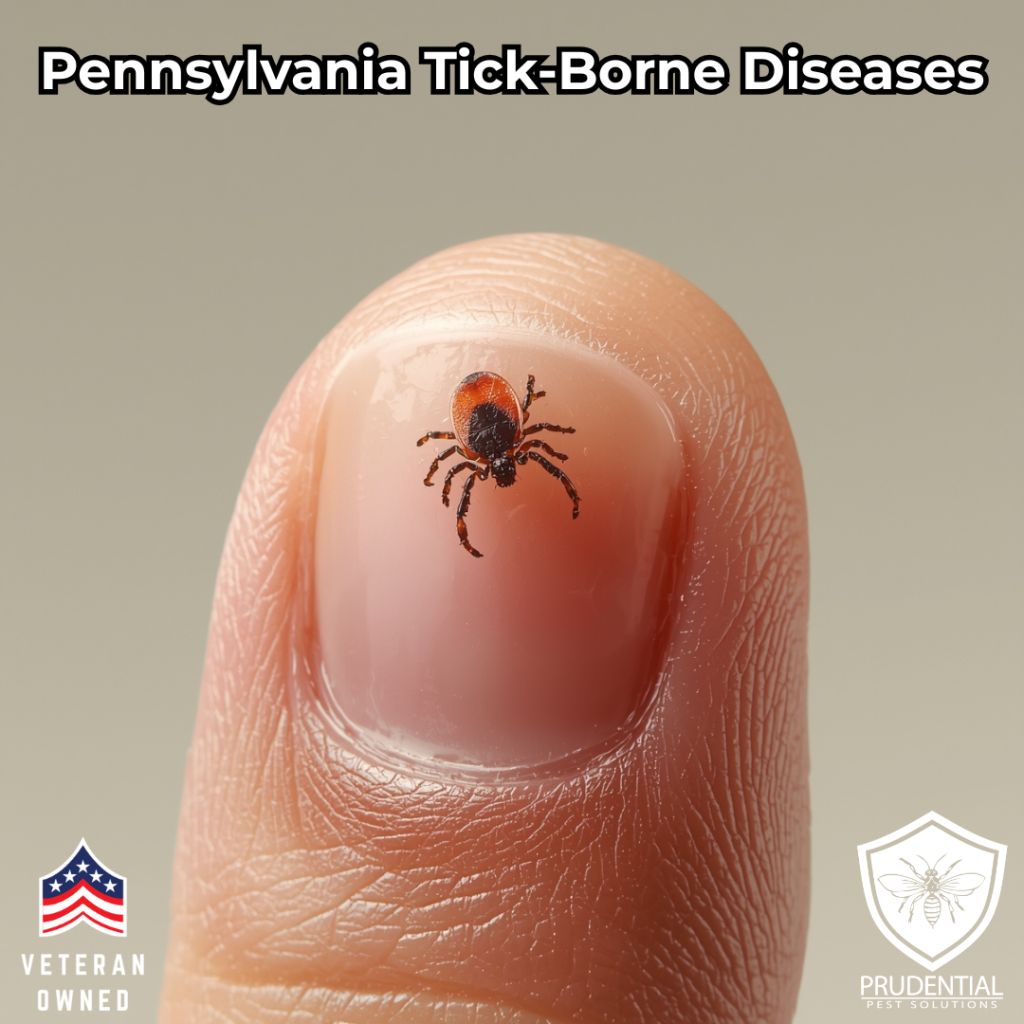
But Lyme isn’t the only concern. Other tick-borne diseases in Pennsylvania include:
- Anaplasmosis: Caused by bacteria from black-legged ticks, it leads to high fever, chills, and muscle aches. Untreated, it can affect the respiratory or nervous system.
- Babesiosis: This malaria-like illness, spread by the same ticks, targets red blood cells, causing anemia and flu-like symptoms, especially dangerous for the elderly or immunocompromised.
- Powassan Virus: A rare but severe threat from ticks in Pennsylvania’s wooded areas, it can cause encephalitis or meningitis, with symptoms appearing days after a bite.
- Rocky Mountain Spotted Fever: Though less common, American dog ticks carry this potentially fatal disease, marked by rash, headache, and high fever.
These diseases often go undetected because tick bites are painless and tiny—many victims never notice the attachment. Pennsylvania’s Department of Health reports thousands of cases annually, underscoring the urgency of vigilance.
Hidden Risks for Families and Pets

Families with children and pets face amplified hidden dangers from ticks in Pennsylvania. Kids playing in yards or parks can easily pick up ticks, and pets like dogs or cats act as unwitting carriers, bringing parasites indoors. A single tick can lay thousands of eggs, turning a minor issue into a full-blown infestation.
Prevention Strategies to Combat Ticks in Pennsylvania
Preventing tick encounters starts with awareness and action. Here are some effective tips tailored to Pennsylvania residents:
- Landscape Management: Keep grass short, clear leaf litter, and create barriers with wood chips or gravel between lawns and woods. This reduces tick habitats on your property.
- Personal Protection: Wear long sleeves, pants, and permethrin-treated clothing during outdoor activities. Use EPA-approved repellents containing DEET or picaridin.
- Tick Checks: After time outside, thoroughly check yourself, children, and pets for ticks, focusing on hidden areas like armpits, groin, and scalp.
- Pet Care: Use vet-recommended tick preventatives and regularly groom your animals to spot ticks early.
While these DIY methods help, professional intervention is often necessary for comprehensive control, especially in high-risk areas.
Why Professional Tick Control is Essential in Pennsylvania
DIY efforts can only go so far against the hidden dangers of ticks in Pennsylvania. That’s where expert pest control comes in. Professional services use targeted treatments like barrier sprays and habitat modifications to eliminate ticks at their source, providing long-term protection without harming beneficial insects or the environment.
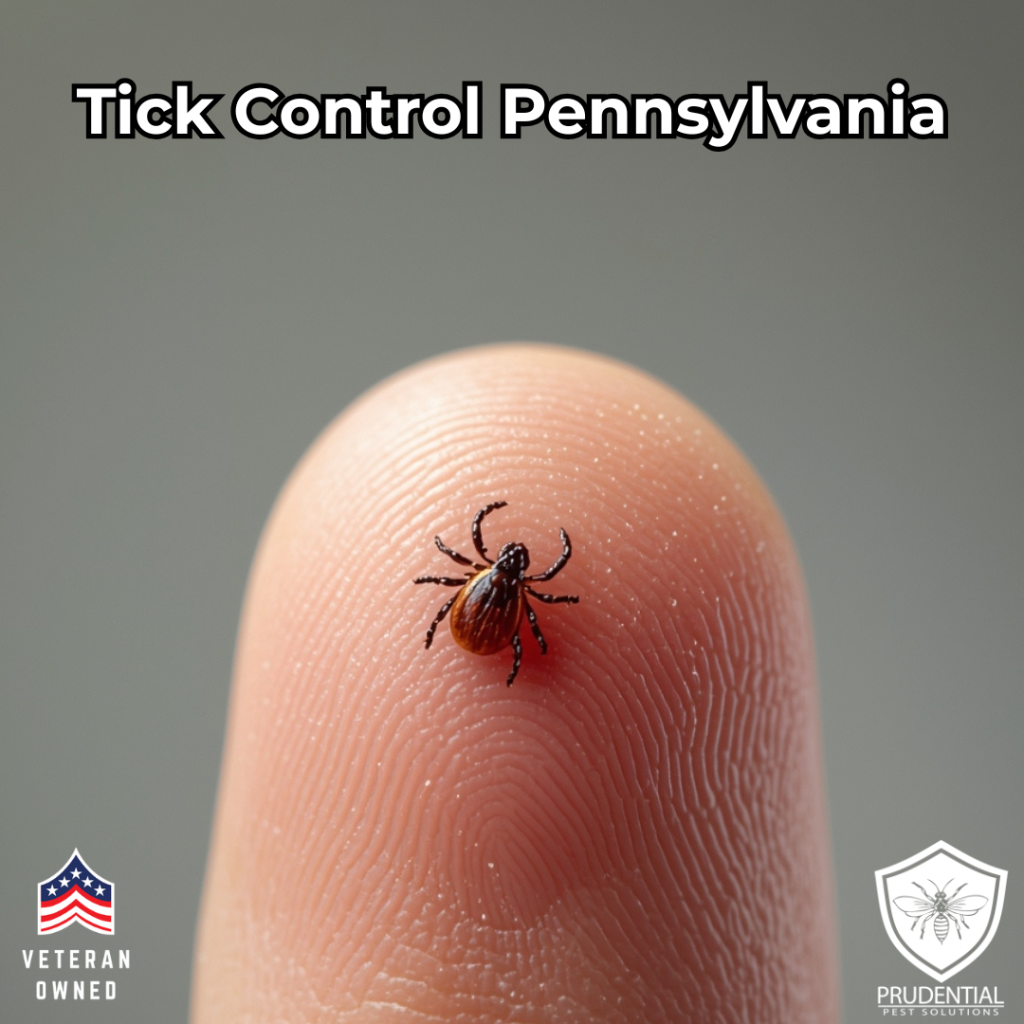
At Prudential Pest Solutions, we specialize in tick control tailored to Pennsylvania’s unique challenges. Our certified technicians conduct thorough inspections, apply eco-friendly solutions, and offer ongoing monitoring to keep your property tick-free.
Don’t let these hidden threats jeopardize your family’s health—proactive measures today can prevent serious issues tomorrow.
Take Action Against Ticks Today!
The hidden dangers of ticks in Pennsylvania are real and growing, but you don’t have to face them alone. By staying informed and taking preventive steps, you can enjoy the outdoors safely. If you’re ready to protect your home and loved ones from tick-borne diseases, contact Prudential Pest Solutions today for a free consultation.
Our team is committed to delivering effective, localized tick control services that give you peace of mind. Call or text us at (484) 401-4361 or visit our website to schedule your inspection. Your safety is our priority!
Comments are closed